Crane Rental Software: What It Does and Why It Matters
Crane equipment rental software helps companies manage scheduling, certified operator assignments, maintenance, inventory, and invoicing in one system.
5 minutes

Crane rental management software is a platform that helps crane equipment rental companies manage the full job cycle — from quotes and scheduling to maintenance, invoicing, and everything in between — in a single connected system rather than across spreadsheets, whiteboards and separate tools.
Crane rental companies manage a lot of moving parts. Teams manage complex deliveries, certified operator assignments, large parts inventories, and expensive mobile assets. Having all these components in one place reduces errors, speeds up billing, and helps you stay on top of safety and maintenance before problems happen on the job.
Crane Rental Pros are Adopting Modern Technology
Most crane rental companies start out with spreadsheets, whiteboards, phone calls, and paper job tickets. But as fleets and teams grow, issues begin to show up: double-booked equipment, missed maintenance windows, billing delays, and operators showing up to jobs without the right information.
The core problem is that information is scattered. Dispatch knows the delivery schedule, but the shop doesn't know what's coming back. The yard knows what's available, but the office doesn't know what condition it's in. Someone gets a call about an invoice and must dig through three systems to find the answer.
Crane rental software solves this by bringing scheduling, inventory, maintenance, field documentation, and invoicing into one system that everyone works from.
Safety Comes First
In crane rental, safety is a culture that runs through every part of the operation. Current inspection certificates and maintenance records are essential for every crane operator to have available on the job site and in the office.
Software supports this culture in practical ways. Maintenance records and inspection history stay attached to each asset. Job site documentation lives in the job record, not on someone's phone. Service reminders mean maintenance doesn't get deferred because it fell off someone's radar.
When that information is centralized and tied to the job, your team spends less time chasing paperwork and more time making sure jobs are done right.
Delivery and Transport Scheduling
Getting a crane to a job site on time involves more than loading it on a lowboy. You're coordinating drivers, managing tight delivery windows, and handling last-minute changes when a GC pushes a start time or a site isn't ready.
Good crane scheduling software lets dispatch teams plan and adjust deliveries and collections in a single view. When something changes, the update happens once and everyone sees it rather than in a separate system or a group text thread.
Certified Operator Assignments
Not every operator is certified for every crane type. Tracking availability, qualifications, and assignments across a team of 20 or more people is one of the more complex scheduling challenges in the business.
Field service management for equipment rental handles this by centralizing resource scheduling alongside equipment scheduling. Operations managers can see availability and assign people to jobs from the same view they use to manage equipment, rather than cross-referencing spreadsheets or relying on whoever picks up the phone.
Preventative Maintenance
In crane rental, deferred maintenance isn't just a cost problem; it's also a safety problem. A crane that misses a scheduled inspection or goes out with a known issue puts your crew, your customer's site, and your business at risk.
Staying ahead of it requires more than a shared calendar:
- Automated service reminders so intervals don't slip
- The ability to book equipment into the shop directly from a maintenance alert
- Asset-level history showing inspection records, past repairs, and costs
- Visibility into which assets have recurring problems or high maintenance costs
When maintenance lives in the same system as your rental contracts, your team always knows what's genuinely available to go out on a job.
Inventory and Parts Tracking
A single crane job can require dozens of accessories: boom sections, jibs, counterweights, rigging hardware, outrigger pads, load blocks. Crane rental companies often manage thousands of individual parts, and keeping track of what's out on rent, what's in the shop, and what's ready to go is a constant challenge.
Real-time inventory visibility across serialized equipment, bulk stock, and accessories means your team isn't calling around to find out where something is. Filter by status, search by type, and know what's available before a customer asks.
Photo Documentation
Damage disputes happen. When they do, documentation tied to the job record is what protects you. Capturing photos of equipment condition before delivery, after setup, and on return gives you a clear record without relying on anyone to remember to file it somewhere.
When field teams can do this from a phone or tablet and have it attached directly to the job, it becomes a normal part of the workflow rather than an afterthought.
Invoicing Connected to the Job
Billing delays in crane rental usually come down to the same problem: the information needed to build an accurate invoice is spread across multiple people and systems. The field knows what went out. The office has the contract. Accounting is waiting on both.
When invoicing is connected to the job record, invoices go out directly from what was documented. This means no rekeying, fewer errors and faster payment. Integration with accounting platforms like QuickBooks Online, Xero, and Sage keeps the financial side moving without extra steps.
What Does “Good” Crane Rental Management Software Look Like?
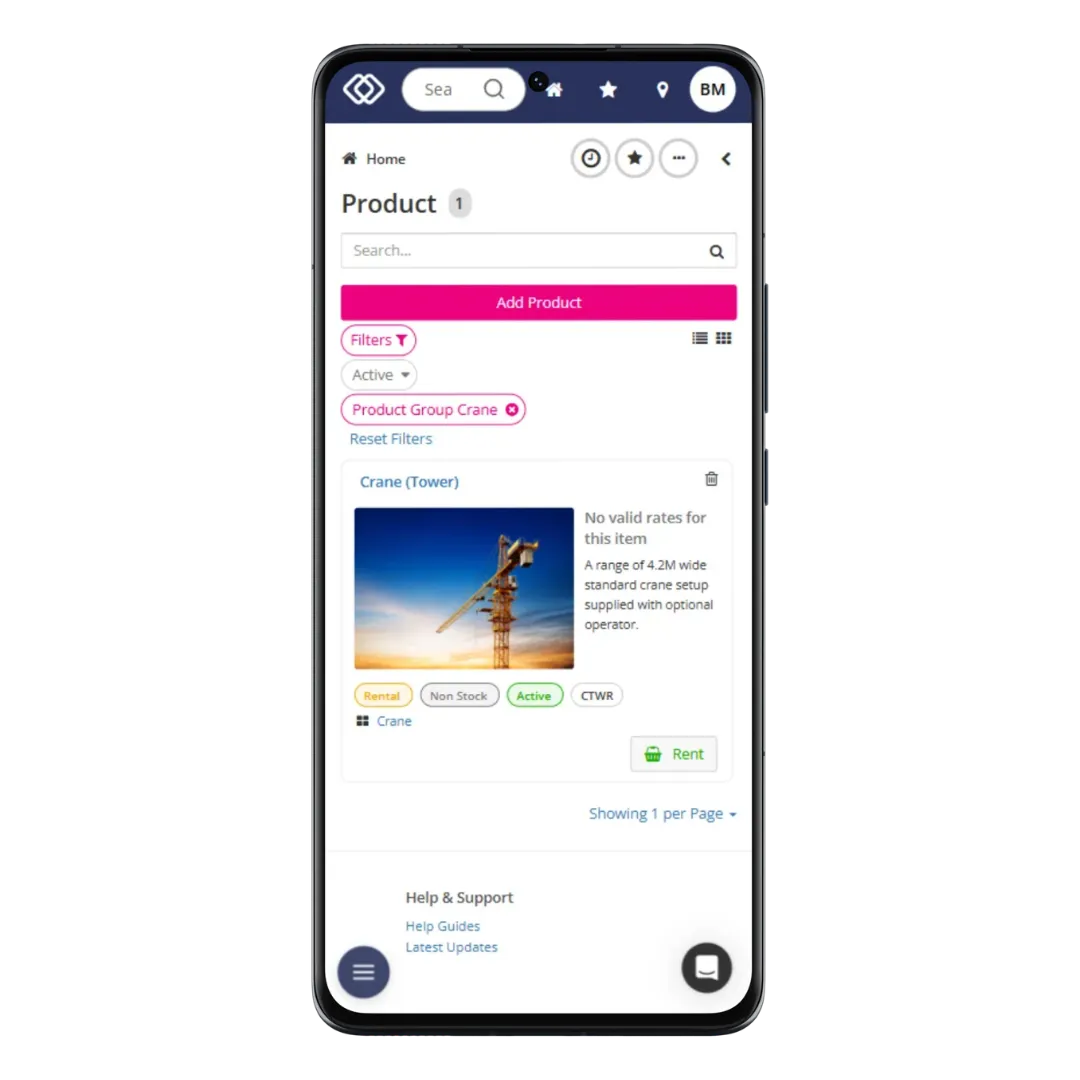
Not all rental software is built for the complexity of crane operations. The platforms that work well for crane companies tend to share a few key features:
- Scheduling tools that handle both equipment and people in one view
- Maintenance management with automated reminders and asset-level history
- Inventory tracking that supports serialized equipment and large parts catalogs
- Mobile access for field teams to document jobs and capture photos on site
- Invoicing that connects directly to job records
- Accounting integrations with tools the team already uses
- The ability to scale for teams of 20 or more users across multiple locations
If you're evaluating options for your crane rental operation, Klipboard offers rental management solutions built for exactly this kind of complexity. Talk to one of our industry experts today.
Contributors

Share
Related resources
Operating a Rental business is a constant balancing act. Assets need to be in the right place at the right time. Jobs need to be planned accurately. Customers expect quick responses and reliable availability. At the same time, margins are tight, demand can shift quickly and downtime directly impacts revenue.