What the Latest Visa Changes Mean for Your Payment Costs
New Visa Rules Could Increase Your Payment Costs – Are You at Risk?
5 minutes


For automotive, rental, retail, trade and distribution businesses, accepting cards is becoming more expensive as their B2B heavy payment mix attracts higher card fees.
If your business accepts card payments, there’s an important update from Visa that could affect how much you pay in processing fees.
The change focuses on the quality of the data sent with certain business card transactions. And for many US businesses, this could mean higher costs unless their payment systems are properly integrated.
Here’s what’s changing, what it means in practical terms, and how businesses can prepare.
How things work today
US businesses can qualify for lower Visa interchange rates when accepting certain commercial and purchasing cards, provided they submit the required Level II or Level III data. These are often referred to as Level II and Commercial Enhanced Data Program (CEDP) rates.
To receive these discounts, transactions are meant to include additional details such as:
- Tax amounts.
- Invoice numbers.
- Line-item information.
Historically, when certain required details weren’t available, some systems within the payment flow have filled in generic or placeholder information so that ‘something’ was present. Under Visa’s updated rules, this type of incomplete or synthetic data will no longer qualify for discounted interchange.
What’s changing with Visa
Visa is tightening its requirements around transaction data accuracy, so going forward:
- Line-item information must be real and specific.
- Generic or incorrect data will no longer be accepted.
- Processors won’t be able to auto-fill missing details.
- Businesses sending incomplete data risk losing discounted rates.
The goal is simple. Visa wants to ensure that the data being submitted reflects what was actually sold.
Why this matters for your costs
If a business no longer qualifies for Level II or CEDP discounts, processing fees can increase by up to 1% per transaction.
For companies handling high-value B2B payments, that difference can be significant. In some cases, businesses could see:
- A noticeable rise in monthly processing costs.
- Reduced margins on large orders.
- Less predictability in payment expenses.
There’s also the possibility of penalties for repeated submission of invalid data, which makes accuracy even more important.
Which businesses are most affected?
The businesses most affected are those that currently qualify for Level II or Level III interchange - typically midmarket and enterprise merchants processing B2B transactions through ERP connected or integrated payment systems. These flows rely on accurate item level data, so any gaps or mapping issues can cause loss of discounted interchange.
How integrated payments help
Integrated payment systems reduce the risk of invalid data by ensuring consistent, validated tax, freight, and line item detail is fed from the product to the payment service.
This allows:
- Line-item details to be sent automatically.
- Product descriptions, quantities and pricing to stay accurate.
- Less reliance on manual input or workarounds.
- Better alignment with Visa’s updated data standards.
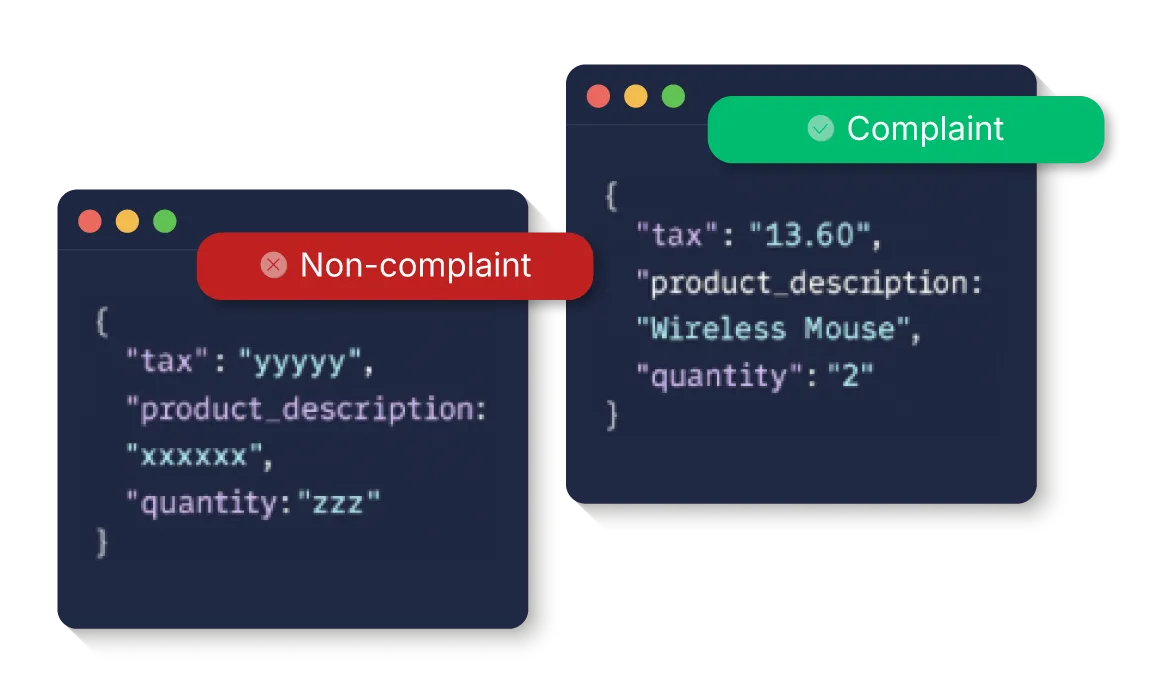
For many businesses, this approach reduces risk, improves accuracy and supports more consistent processing costs.
A good time to review your setup
These Visa changes don’t mean every business will see immediate cost increases. But they do make it a good time to review how your payments are currently handled.
Understanding what data your systems can pass, how your processor handles missing information, and whether your setup supports accurate item-level detail can help you avoid unexpected cost increases and stay prepared for Visa’s latest requirements. With Visa phasing out Level II in April 2026 and strengthening CEDP validation requirements, now is an ideal time to review how your systems handle enhanced data.
Want a second opinion?
If you’re unsure how prepared your current payment process is, our team can help you assess your setup and understand your options.
We can:
- Review how your payments are structured.
- Identify any potential risk areas.
- Explain how integrated payments work.
- Show how Klipboard Money supports accurate, compliant transactions and is designed to pass validated line item and tax data in line with Visa’s latest requirements.
Get in touch to check how ready your business is for the latest Visa changes.
Contributors