How Retail and Trade SMEs Can Grow Without Losing Control
Discover how retail, trade and distribution SMEs can scale without adding complexity. Learn how modern ERP improves stock control, order workflows, purchasing, visibility and customer experience.
5 minutes

Growth should make your business stronger, not harder to run.
Yet for many retail, trade and distribution businesses, expansion often introduces new layers of admin, duplicated work and blind spots. The systems that once felt “good enough” begin to slow everything down.
When you rely on separate tools for stock, orders, accounting and customer communication, every new customer, product line or depot adds pressure. What used to be manageable becomes time-consuming. What used to be clear becomes harder to see. And what once felt under control starts to feel like a daily juggling act.
These challenges aren’t signs that a business is failing. They’re signs the business has outgrown its systems.
Modern ERP platforms help growing SMEs keep sales, stock, purchasing, deliveries and operations connected in one place – while integrating with trusted accounting software for financial management. This reduces manual work, improves visibility and helps teams stay in control as the business scales.
This blog explores how modern ERP helps retail, trade and distribution SMEs grow without adding complexity. And why those who adopt it early gain a competitive advantage.
Why Growth Starts to Feel Complicated
Complexity rarely arrives overnight. It builds gradually as teams get busier and processes start to strain.
1. Stock becomes harder to control
What once fit on a simple spreadsheet becomes too big to manage manually. Stock shortages increase, overstocking ties up cash, and no one has a clear real-time view of what’s available.
2. Order management slows down
A simple quote-to-order-to-invoice process becomes tangled as volumes grow. Small delays multiply, and teams spend more time chasing information than serving customers.
3. Processes no longer work
Workflows that worked for two people break when six people need access. Communication gaps widen, bottlenecks appear and accountability becomes unclear.
4. Customer expectations rise
Customers expect faster responses, accurate stock information and reliable delivery updates. Meeting those expectations becomes harder without connected systems.
If this feels familiar, you are not alone.
How Modern ERP Removes Complexity
Modern ERP exists to simplify, streamline and connect your business, not to make things harder.
1. Everything connected, nothing duplicated
Sales, stock, purchasing and deliveries work together in one platform, reducing delays, errors and repeated data entry.
2. Real-time stock visibility
You can see what’s in stock, what’s allocated and what’s due in – without relying on spreadsheets or manual checks.
3. Faster, more accurate order workflows
Quotes convert to orders quickly, margins stay visible, and invoices are raised without re-entering information.
4. Smarter purchasing decisions
Purchase orders, deliveries and replenishment are easier to track, helping you avoid stockouts and overbuying.
5. Clear insight without manual reports
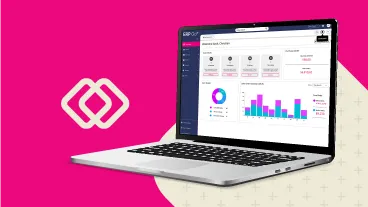
Dashboards show open orders, deliveries due and performance data instantly.
6. Built for growing teams
Solutions like ERP Go are designed for retail, trade and distribution SMEs. They’re ready to use when you subscribe, feel familiar from day one, and scale as your team, stock and locations grow. Without adding unnecessary complexity.
The Business Impact of a Connected ERP System
When teams move from disconnected systems to one streamlined platform, the benefits are immediate:
- Fewer errors and rework.
- Faster turnaround on orders.
- More accurate stock and cost control.
- Better customer experience and communication.
- Clearer visibility of margins and performance.
- More time to focus on growth, not admin.
ERP doesn’t replace the people who make your business successful, it supports them to work more efficiently.
When to Consider Making the Switch to ERP
Many businesses wait too long to upgrade and there are some clear warning signs it might be time:
- You rely on spreadsheets for stock.
- Your team constantly double-checks information.
- Customers ask for updates you can’t quickly provide.
- Orders or deliveries are delayed.
- Reporting requires manual exports.
- Systems don’t talk to each other.
Want to Dive Deeper? Download the Full White Paper
This blog gives a snapshot of how modern ERP helps growing SMEs stay in control.
For a deeper look at the challenges, workflows and practical steps behind scalable growth, download the full white paper: How Modern ERP Helps Retail, Trade and Distribution Businesses Grow Without Complexity
Contributors