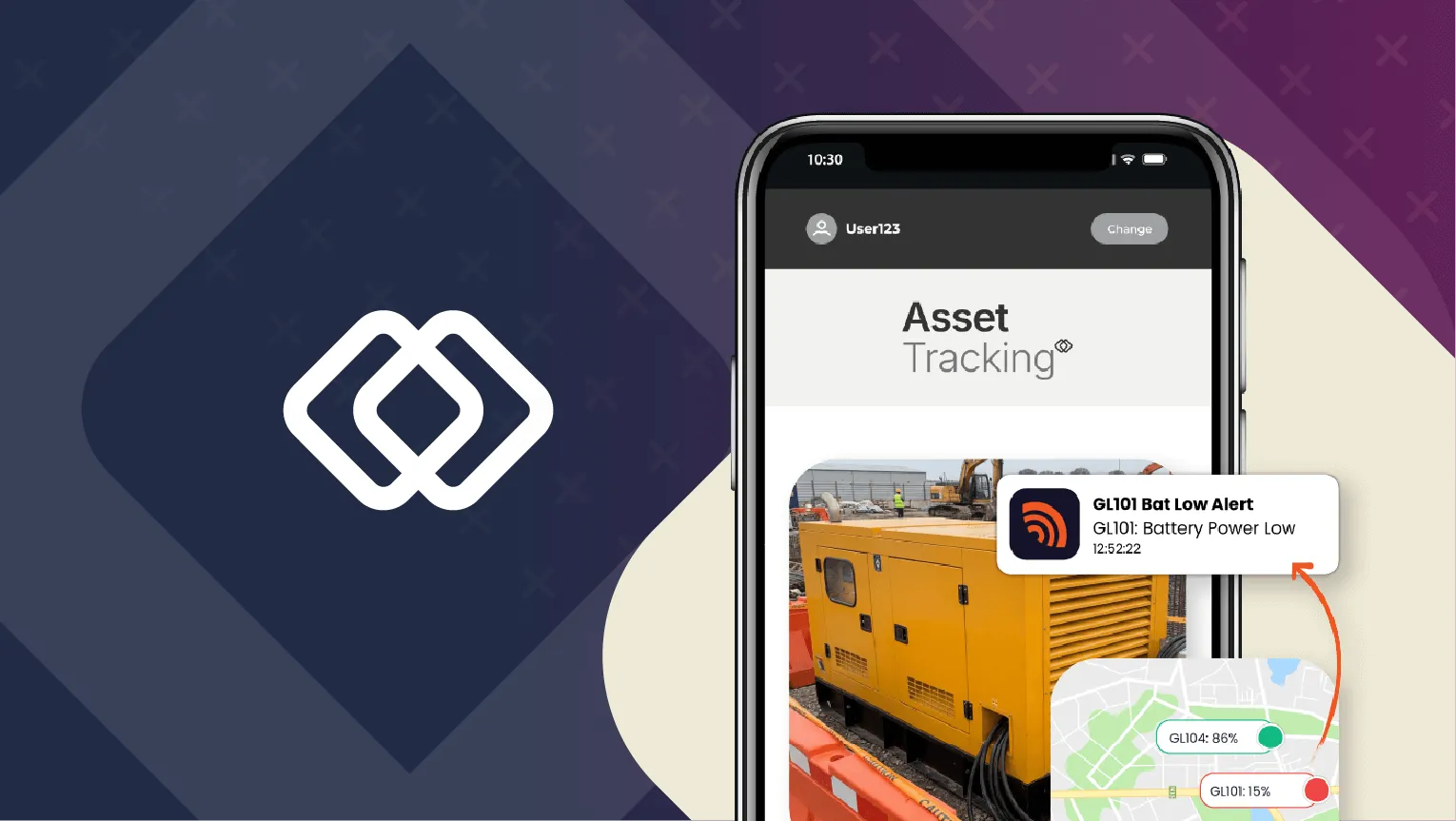
AI in Rental: Get More from Your Assets. Reduce Downtime. Keep Work Moving.
Operating a Rental business is a constant balancing act. Assets need to be in the right place at the right time. Jobs need to be planned accurately. Customers expect fast responses and reliable availability. At the same time, margins are tight, demand can shift quickly and downtime directly impacts revenue.
5 minutes


The challenge for many rental businesses isn’t a lack of systems. It’s being able to see what’s happening clearly enough to act quickly.
That’s where AI is starting to make a practical difference.
Where rental operations slow down
Most rental businesses already have systems in place to manage assets, bookings and customers.
But in day-to-day operations, gaps still appear.
Availability checks take time, especially across multiple depots. Planning jobs can involve switching between screens or relying on experience. Changes to bookings, late returns or unexpected demand can disrupt schedules. Teams often spend time confirming information rather than acting on it.
These aren’t strategic challenges. They’re day-to-day operational ones. And they happen throughout the day.
The real impact of small delays
Individually, these delays don’t seem significant. But across a rental operation, they add up quickly.
A delay in checking availability can slow down a booking. A lack of visibility can lead to assets sitting idle in one location while demand builds in another. Late returns or maintenance issues can disrupt planned work.
Over time, this affects:
- Revenue, through missed or delayed hires.
- Asset performance, through underuse or imbalance.
- Customer experience, through slower responses or uncertainty.
This is where operational visibility becomes a competitive advantage.
Where AI fits in rental
AI isn’t about replacing systems or introducing complexity.
It works best when it’s embedded directly into the systems rental teams already use – helping them access information faster, understand what’s happening more clearly and make better day-to-day decisions.
In practice, that means moving from:
“Let me check what’s available” to “Here’s the answer”
From checking availability to seeing it instantly
One of the most common tasks in rental is checking what’s available, where and when.
Traditionally, that involves navigating asset lists, filtering by location and cross-checking dates.
AI simplifies this.
By bringing together asset data, location and availability, it allows teams to get a clear answer more quickly. Whether it’s a hire desk query or planning upcoming work, the information is easier to access and act on.
Keeping assets working, not waiting
Rental performance depends on how effectively assets are used.
But without clear visibility, it’s easy for assets to sit idle in one place while demand exists elsewhere.
AI helps highlight patterns across asset usage, making it easier to spot underused equipment, shifts in demand or imbalances across locations. This allows teams to make quicker decisions about allocation, movement and planning – helping assets spend more time on hire and less time waiting.
Reducing downtime and disruption
Downtime has a direct impact on both revenue and customer experience.
Unexpected returns, maintenance requirements or scheduling conflicts can disrupt planned work.
AI helps surface these issues earlier by making operational signals more visible. Whether it’s identifying potential conflicts, highlighting upcoming availability gaps or supporting better planning, it helps teams stay ahead of disruption rather than reacting to it.
Faster decisions, less dependency
In many rental businesses, knowledge is still concentrated in a small number of people. Those who know where assets are, how to interpret schedules or how to resolve issues quickly.
AI helps make that information more accessible.
By reducing the time it takes to find answers, more of the team can respond confidently to customer queries, plan work effectively and keep operations moving. That improves responsiveness, reduces bottlenecks and supports more consistent performance.
What this means in practice
For rental businesses, the value of AI shows up in everyday work.
Availability is clearer. Planning is faster. Assets are used more effectively. Customers receive quicker, more reliable answers. Teams spend less time checking and more time acting.
Individually, these improvements may seem small. Together, they create a business that is more responsive, more efficient and better equipped to keep work moving.
AI as part of modern rental systems
The most effective and practical use of AI in rental isn’t as a separate tool.
It’s built into the systems that already run the business – working with existing data, within established controls and inside familiar workflows.
Rental operations aren’t getting simpler. Demand is changing, customer expectations are rising and the pressure to maximise asset performance continues to grow.
The businesses that succeed will be those that can get more from their assets, reduce downtime and keep work moving without adding complexity.
AI is becoming part of how that happens. Not as a future concept, but as a practical way to improve how work gets done every day.
See how AI is being applied in rental
Klipboard AI is built directly into rental workflows, helping teams improve visibility, reduce downtime and make better day-to-day decisions.
Find out how your business could benefit.
Contributors