Unfiltered with Lochan Sim - Buy Now, Pay Later: Why B2B Payments Need to Catch up with Customer Expectations
Discover why Buy Now, Pay Later is gaining momentum in B2B trade payments, helping distributors offer faster checkout, flexible payments and better experiences.
5 minutes

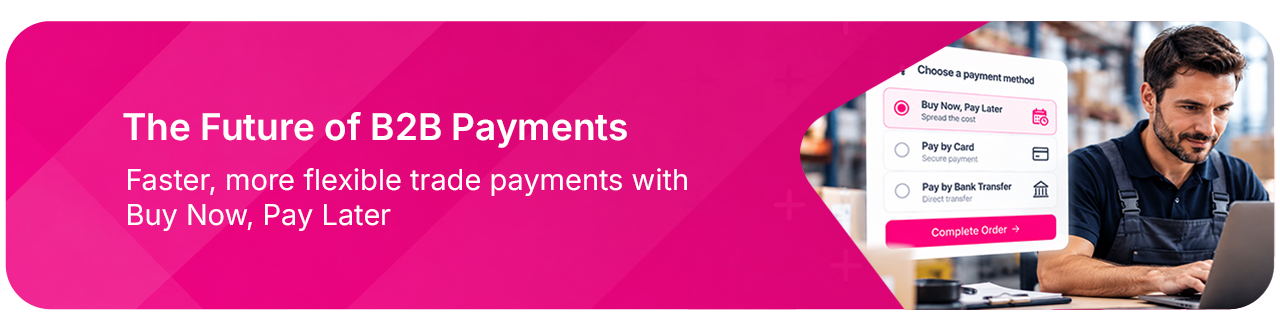
Our lives move very quickly, and the way we shop has evolved to reflect that.
If I’m a shopper, I now expect to be able to make a payment without even taking my card out of my wallet. If I can’t, it’s inconvenient - because I haven't carried my wallet with me for years. These everyday transactions have come a long way from requiring a physical card or even a PIN.
This experience isn’t just slick and effortless – it’s what buyers are accustomed to, and the stats bear this out.
Research conducted by the Federal Reserve in the US found that more than three-quarters of buyers will default for the fastest payment method when given a choice. What’s more, Mastercard found that 8 out of 10 online shoppers abandon their shopping cart, and nearly half say the lack of a frictionless payment experience is the reason.
So why do B2B transactions have to feel so painful in comparison?
A sector stuck in its ways?
The words ‘slick’ and ‘effortless’ can rarely be used to describe trade payments – from the perspective of both customers and merchants.
For customers, many trade purchases still involve lengthy credit applications, requesting invoices, manually entering card information and arranging bank transfers.
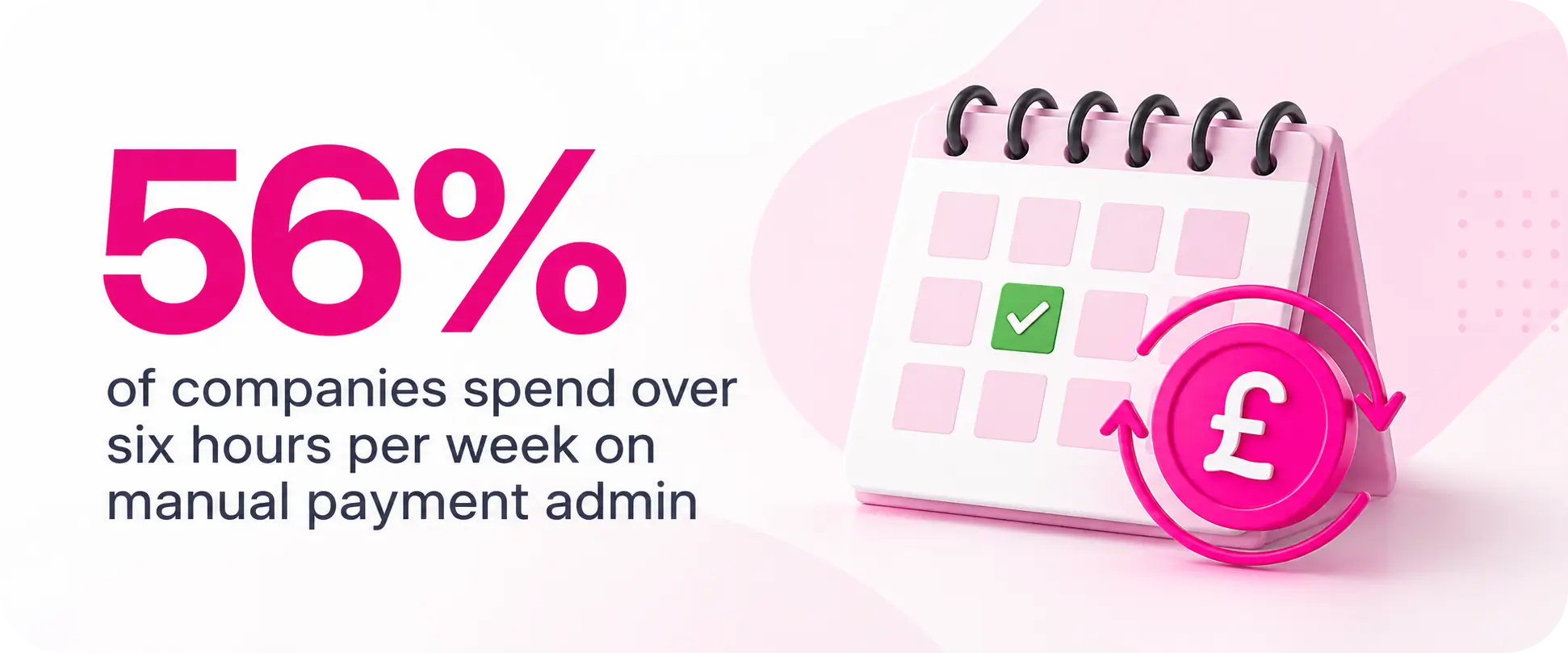
As a business, there’s all the resulting reconciliation, manual admin, switching between platforms and chasing invoices that follows. In a survey we conducted of over 500 distribution businesses across the UK and the US, 56% said they spent over six hours a week purely on payment administration.
There is, of course, a very valid argument that B2B purchases are more complicated than a trip to the shops for good reason. These transactions involve large sums of money, multiple decision-makers, lengthy approval processes, and significant risk for both buyers and suppliers.
Yet this shouldn’t be an excuse for maintaining the status quo.
Choice matters just as much as speed
There are plenty of ways we’re seeing B2B payments start to catch up with their consumer counterparts.
At Klipboard, we’ve found there’s real demand for payment solutions that are built into existing software – saving businesses from having to swap between multiple platforms to process a single transaction.
But along with making transactions feel easier and faster, we’re also seeing a shift where more and more buyers want choice and flexibility.
The Federal Reserve concluded from its research that having a choice of payment types is ‘important’ to consumers.
What’s more, a report by the Payment Systems Regulator in the UK found that most consumers ‘feel they are confident using a range of payment methods and do so in their lives’.
In other words, there’s no reason choice and flexibility shouldn’t be the norm in trade business transactions, too.
And when it comes to flexible payment methods, there’s one emerging type of payment that’s rising in demand.
Where Buy Now, Pay Later comes in
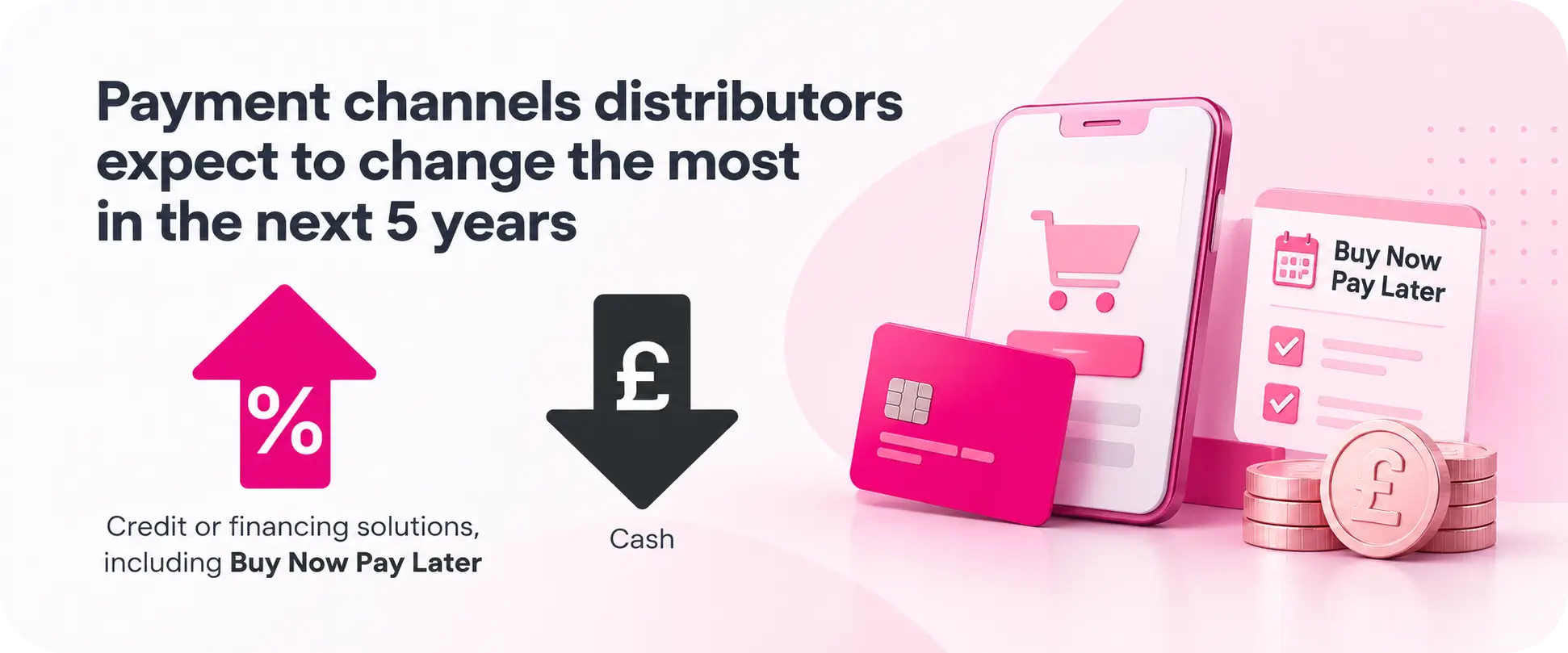
In our own survey of distribution businesses conducted earlier this year, respondents cited Buy Now, Pay Later (BNPL) as the payment method most likely to grow in the next five years.
In B2C, it’s already found favour. According to research conducted by PYMNTS, 87% of B2C buyers that use BNPL claim the availability of these plans influences where they shop.
But why BNPL for trade businesses? Flexible finance options directly address some of the biggest stumbling blocks that hold back the modernisation of B2B payments:
- It provides an alternative to accounts
Trade accounts mean paperwork for customers, and risk to merchants. BNPL offers that same flexibility – without cash-strapped businesses having to act like a bank and extend credit themselves. - Approvals happen much faster
Customers get a fast decision on credit with BNPL, rather than having to wait days for an account application to be reviewed and approved. - Customers can place an order immediately
Instead of having to wait, customers get the goods they need now, and the merchant gets paid upfront and in full. - It can help customers buy more when they need to
With BNPL, purchases can be easier to justify when customers can spread or defer the cost, rather than paying the full amount immediately.
We need to change how we think about B2B payments
Business buyers are still business buyers, but they're consumers too.
Every day, they're accustomed to fast, convenient and flexible payment experiences in their personal lives. Understandably, they’re going to expect the same when they’re at work.
For years, many trade businesses have viewed payment processes as a necessary administrative task. The businesses that stand out in the coming years may be those that see payments as part of the customer experience instead.
I’d be interested to hear whether you're seeing the same shift in your industry. Are customers asking for more flexibility in how they pay?
Contributors